Photographers shout “Look over here!” “Turn around!” and “Just one more shot!” at politicians boarding a tiny white plane in Iqaluit in February 2025. The passengers, led by Northern Affairs Minister Gary Anandasangaree, are about to do a flyover of the site of a proposed hydroelectric plant on the Kuugaaluk River. “It’s going to be a big reservoir,” Anandasangaree says as the plane touches down again. “It was great to see this.”
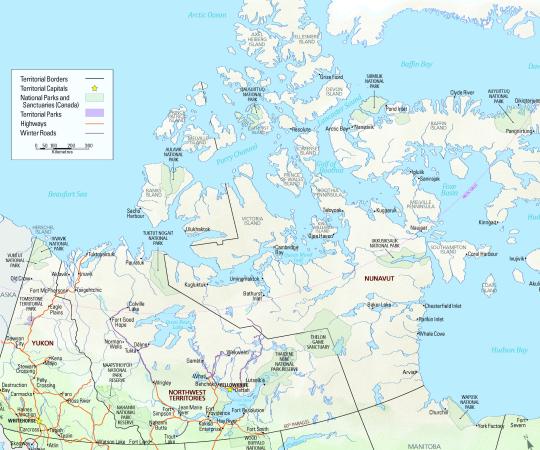
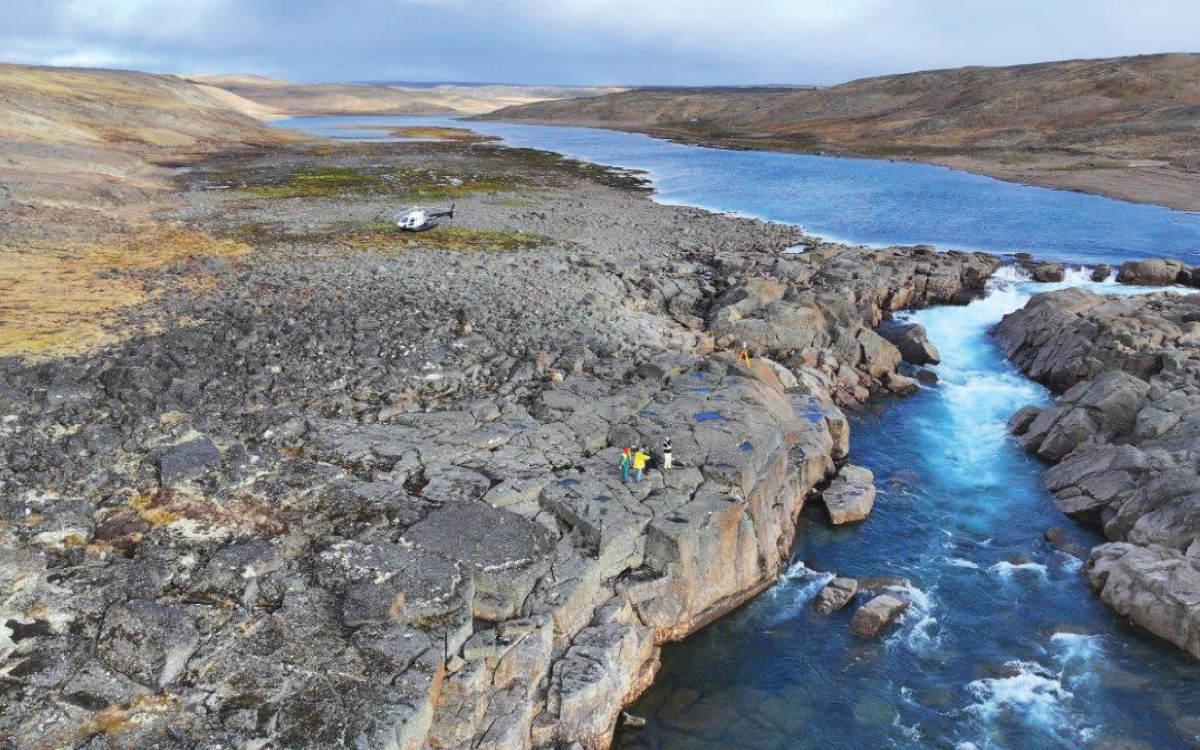
Actually, he hadn’t seen much. The clouds were low and the site was covered with snow and indistinguishable from the rest of the tundra. Still, the officials were excited. They hope the river, about 60 kilometres northeast of Nunavut’s capital, will generate all of the city’s electricity by the end of the decade. Not everybody wants to see this happen, though. Many Pangnirtung residents are angry, the hamlet’s council feels left out and politicians have turned the plant into a high-level spat. And even if the proposal survives the controversy, its future is far from certain.
The idea isn’t new. Nunavut is the only Canadian jurisdiction that doesn’t use hydroelectricity, and Iqaluit consumes 15 million litres of diesel every year. In 2005, the territorial energy provider came up with a plan to reduce its reliance on fossil fuels and out-of-date power plants. Qulliq Energy Corp. spent $10 million on studies, but as the project’s estimated price tag ballooned to nearly half a billion bucks, the government pulled out. Inuit-owned Nunavut Nukkiksautiit Corp. took over in 2022 and now plans a 50-metre-high dam, a powerhouse and possibly a wind turbine to generate 15 to 30 megawatts of electricity for about a century.
None of this is going over well in Pangnirtung, a community of 1,500 residents about 300 kilometres northeast of the capital. The mayor says the hydro plant will “exclusively” benefit the roughly 7,500 Iqalummiut while harming the environment for the rest of the territory. In a public letter to Nukkiksautiit Corp., the hamlet council said the infrastructure could lead to higher water levels in Pangnirtung Fjord, damaging the local hunting grounds, and flood some of the town’s waterfront, including the cemetery. Worse, according to Pangnirtung MLA Johnny Mike, is a “concerning” lack of consultation with the community. “Before the advent of Nunavut, we used to have decisions made in the community from outside community,” he told the territorial legislative assembly in March. “We have seen this reoccurring this past year.”
But Olayuk Akesuk, president of Qikiqtani Inuit Association, which owns Nukkiksautiit, calls Mike’s statements “inaccurate.” The environmental concerns will be mitigated by the benefits, Akesuk says and notes, “Continuing to burn diesel for electricity generation is causing harmful changes to our environment.”
Getting all the necessary approvals will mean many more community consultations, including in Pangnirtung. But, last year, Prime Minister Mark Carney added the Iqaluit Nukkiksautiit Project to the federal major projects list. That means special treatment from Ottawa, speeding up the necessary federal reviews, environmental assessments and approvals.
Things can still drag on, though. The territory is notoriously good at decades-long bureaucratic delays. And Nunavummiut never shy from opposing projects they deem harmful. The Kugluktuk Hunters & Trappers Organization calls Grays Bay Road (another major project) a “road to nowhere.” In 2021, hunters blockaded an airstrip and road on Baffin Island to protest the expansion of the Mary River Mine. And, in 2016, Clyde River took on fossil fuel companies and the National Energy Board over seismic blasting in the region. The community went all the way to the Supreme Court and won. None of that has happened with the Iqaluit hydro project. Yet.