Upon graduating from Grade 9, Farrel Kablutsiak receives a certificate of excellence and a very Nunavut gift—brand-new black hip-waders. He must try them on as soon as possible. “His mother asked him to have supper first,” says the boy’s grandmother Agnes Kablutsiak. “But he was too excited.”
That’s not unusual for teenage boys, Kablutsiak included. Whether getting too feisty when playing hockey or being overly proud of his peach fuzz moustache, the 14-year-old Arviat resident is living a life of occasional harmless mischiefs. But, in July, one of those mischiefs gets him neck-deep into trouble—a cold and sticky kind of trouble.
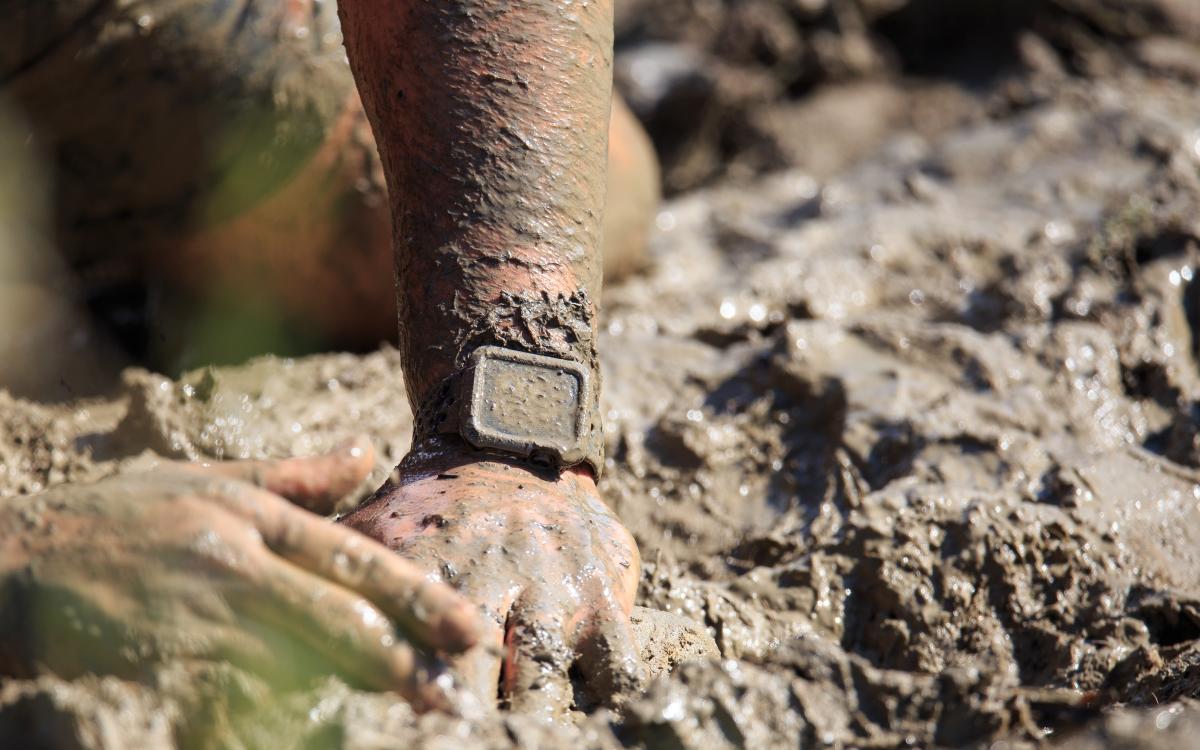
Kablutsiak and his cousin Bumbaa Tatty head to the east end of town to one of the ponds that appears every year after the snow melts. Not realizing that under the water is a dangerous layer of mud, the boys wade in. Before long, they are stuck. With few solid roads in Nunavut, this grey, clay-like goo appears every summer, ready to suck in a loose boot or, in rare cases, trap careless adventurers. Eventually, the two boys sink so deep that the muck and water almost reaches their chins. Saving them from drowning will take four hours, with the local RCMP detachment, the fire department, two sewage trucks and the entire community coming together.
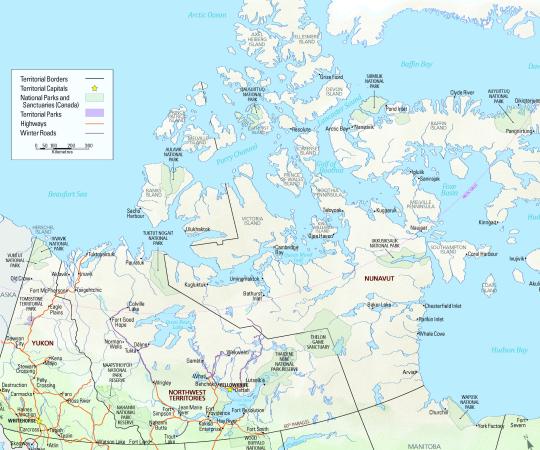
Thankfully, coming together is in Arviat’s nature. The first thing visitors to the hamlet on the western shore of Hudson Bay see are two signs. One marks this place as the home of singer Susan Aglukark; the other says, “Welcome to Arviat. Nunavut’s friendliest community.” Mayor Joe Savikataaq Jr. says, “People of Arviat never let each other down.” Whether it’s bringing food and water to Elders during the pandemic lockdown, organizing maternal health workshops for soon-to-be mothers or comforting grieving parents when it’s most needed, Arviat is a community of people who show up. Savikataaq experienced it himself: In 2024, his 20-year-old daughter went missing. Hundreds of Arviarmiut spent hours every day searching for Kadin. People are still looking. “People will never leave you alone with your problems,” Savikataaq says. “They will always come to help.”
And that’s what they did for Kablutsiak and Tatty. As soon as Agnes posted on Facebook that the teens were in danger, more than 300 people came to the pond. A lot of them brought snacks and water. Some sang hymns as they took turns digging. But the more they tried, the deeper the boys sunk. It was just above 0°C and the teens were shivering. Their faces were slowly turning purple. After two hours, Kablutsiak started losing hope, and his grandmother could hear him saying, “I’m never gonna get out. I’m gonna die.”
But slowly things got better. A local contractor bought a fan heater for the kids, while two sewage trucks sucked out the water from the pond, making it easier for others to dig. After four hours, a cheer went up—the boys were out.
They spent a night in the health centre and went home in the morning. The following day, some locals went to the now-drained pond and picked up all the blankets, mitts and Thermoses left after the rescue operation and returned them to their owners. Agnes tried to list all the people that she was thankful to, but she gave up after about a dozen names. “I know every single person helped, even by just being there or bringing some tea or singing a song,” she says. “I can’t even put in words... I... God bless them all.”