Geopolitical trends seldom garner much attention in the North but, when they do, it can be a big deal. On Dec. 6, 1941, no one was thinking of building an all-weather highway through the Yukon to Alaska. Less than a year later, with half the U.S. naval fleet on the bottom of Pearl Harbor, the first trucks were arriving in Fairbanks. In the following decades, the Cold War brought us the big, paved airports we use today and the infrastructure behind the North Warning System.
Today, it is climate change and China that have got geopolitical bigwigs thinking about the North in general and mining in particular.
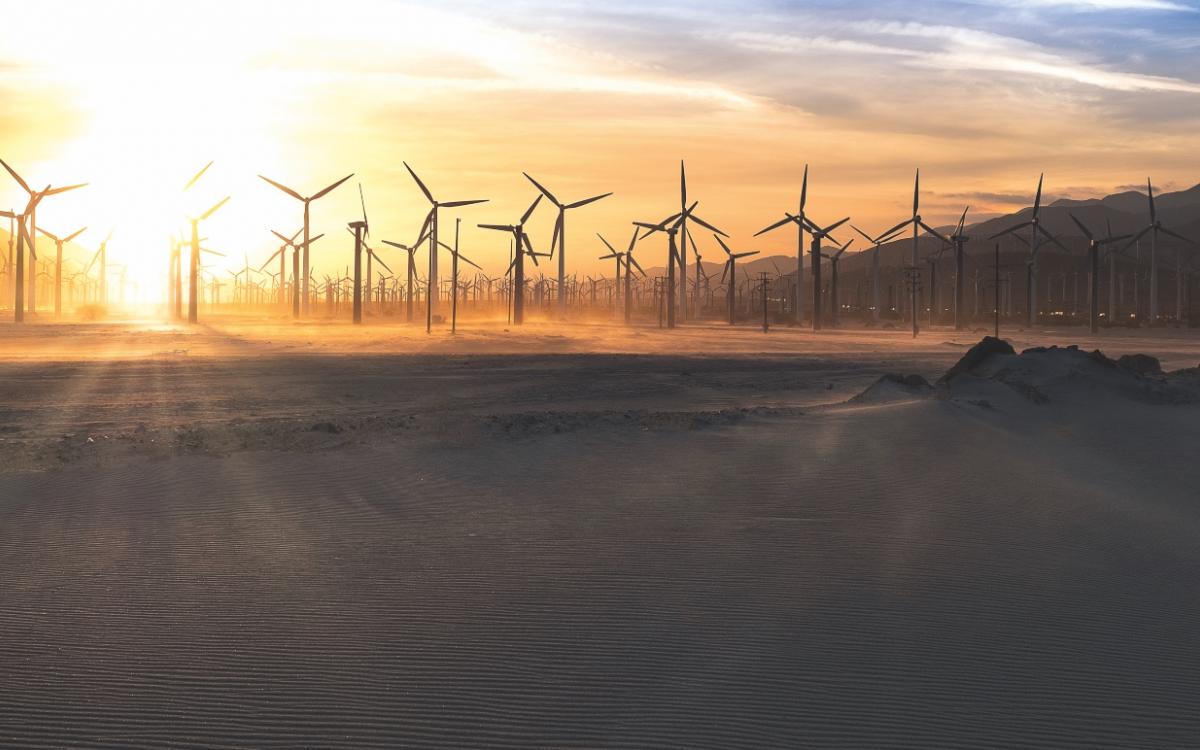
Most climate models that have humankind avoiding the worst effects of climate change show we need dramatic cuts in emissions by 2030 followed by net-zero emissions around mid-century. This will require literally trillions of dollars of investment in things like electric vehicles, batteries, wind turbines, heat pumps, hydrogen fuel cells, and more. It also means huge demand for the minerals behind these technologies.
The World Bank thinks overall demand for such minerals could quadruple by 2050 if the world acts to keep the increase in average global temperatures well below two degrees.
Based on an analysis of 10 low-carbon technologies that will need to be deployed at scale, it estimates demand for lithium and graphite—heavily used in batteries—could go up 500 per cent between now and 2050. This is good news for lithium projects from Northern Quebec to Nunavut.
Silver, meanwhile, turns out to be key to solar panels, solar concentration systems, and nuclear power. The silver demand for energy technologies by 2050 could boost global consumption by 50 per cent.
A bunch of other minerals are equally critical to multiple technologies. Chromium, manganese, molybdenum, and zinc are used in six or more of the 10 technologies. Ontario nickel producers will be pleased to see nickel tagged against nine of them.
Along with aluminum, most of the metals on the World Bank list are produced in large quantities today, so the boosts from clean energy demand won’t be as eye-popping as for lithium. But the tonnage involved is huge, even if metal recycling rates increase substantially. Copper, for example, will be needed by the mega-bulk-carrier load for solar farms, onshore wind farms, and distant offshore wind, plus all the wires needed to get the power to your copper-laden electric car.
So far, so good for the mining industry. But what about the North?
This is where geopolitics come in. The U.S. Geological Survey estimates that China produced more than 60 per cent of the world’s graphite in 2019. Market analysts have estimated that Chinese plants produced more than three-quarters of the raw materials for advanced batteries before the pandemic. After a recent coup d'etat in Guinea, traders noticed price spikes in aluminum. Guinea is a major producer, and most of Guinea’s exports go to China.
The interplay of strategic metals and China’s increasingly assertive foreign policy was a big reason why, earlier this year, Canada announced its Critical Minerals List. This comes after Canada and the United States announced a Joint Action Plan on Critical Minerals. The idea is to promote greater production of critical minerals in areas that are stable and secure, such as Northern Canada. The U.S. made similar efforts during the Cold War with the Soviet Union, when stockpiling strategic minerals was a major part of U.S. strategy.
The trend is further boosted by Environmental, Social and Governance (ESG) investors and buyers. Big pension plans and brand-name companies are increasingly careful not to do business with mines in countries known for human rights abuses, lax environmental rules, or poor relations with Indigenous peoples.
We have yet to see if this focus on the Critical Minerals List will translate into specific policy changes that encourage mining in the North, or how northern mines will reduce their carbon emissions to win over more ESG investors. But mineral prices are already showing the kind of strength that suggests traders are looking past the pandemic downturn and toward the longer term.
If Canada’s North and its mining companies play their cards right, efforts to save the climate and reduce our allies’ reliance on China could be major tailwinds for a revived mining sector.
Keith Halliday is a Yukon economist and author of the MacBride Museum’s Aurore of the Yukon series of historical children’s adventure novels. He is a Ma Murray award-winner for best columnist.