
Site Banner Ads

Site Search

Search

Home Up Here Publishing

Mobile Toggle

Social Links

Facebook Instagram

Search Toggle

Search

Main navigation

  • Magazines
    • Latest Issue
    • Past Issues
    • Up Here Business
    • Visitor Guides
    • Move Up Here
  • Sections
    • People & Places
    • Arts & Lifestyle
    • History & Culture
    • Travel & Tourism
    • Nature & Science
    • Northern Jobs
  • Newsletter
  • Community Map
  • Merch
  • Our Team
  • Support
  • Subscribe/Renew

Invasion of the Shrubs

Big changes are coming-one shoot at a time

By Lesley Evans Ogden

Breadcrumb

  1. Home
  2. Invasion of the Shrubs

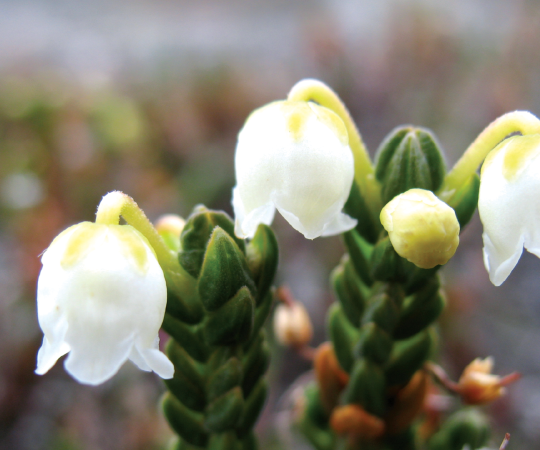
At a whopping metre high, Günther is a giant. An Arctic tundra willow, he’s a shrub lovingly named because in 2014, after years of work on Qikiqtaruk (Herschel Island), he was the tallest plant that University of Edinburgh scientist Isla Myers-Smith had ever seen. He’s also a harbinger of a green invasion: shrubs like birch, willow and alder are creeping their way polewards as the climate warms—and shoving aside weaker tundra-dwellers. How will Günther and co.'s northward march change the Arctic world? Scientists are still leafing through the data—but here’s who they think might be the winners and losers in the battles ahead. 

Winners:

Bigger: Following their noses, willow-eating moose are expanding their range northwards along with the shrubs. (Watch out Günther!)

Louder: Shrub-nesting songbirds like bluethroats may thrive as they find more places to nest and eat (bugs like shrubs too). Birds like the bristle-thighed curlew that rely on more open tundra may not fare so well.

Faster: You might say shrubs are spreading like wildfire. Frequent shrub fires were a fact of life in the Arctic’s distant past, as revealed from up to 14,000-year-old pollen and charcoal layers preserved in lakes.
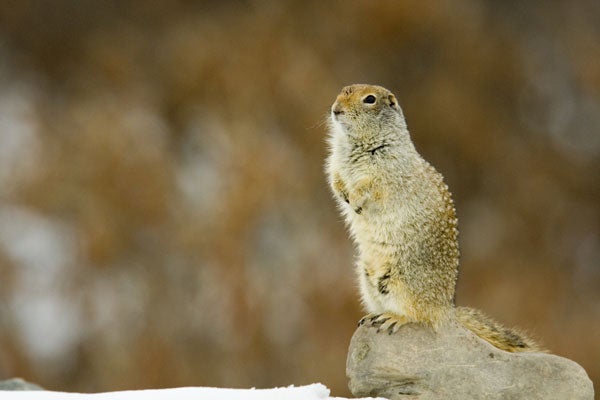
Arctic ground squirrels may have to watch their backs among the weeds.

Losers:

Slower: Lichen is likely to lose out as shrubs crowd its sun, space, and food. A quick word on lichens: they aren’t mosses or even plants, but a symbiotic partnership between algae or bacteria and fungus, eking out a living from rock minerals, air, water and sunlight. It’s no surprise they grow only a few millimetres every year—slowpokes compared with Günther’s marathon sprint of 20cm in just one summer.

Pickier: Lichen-loving caribou will see their preferred food crowded and shaded out—and no one
knows whether they’ll learn to love the newcomers.

Hungrier: Arctic ground squirrels prefer open habitats where they can spot potential predators. More shrubs may mean more time looking for danger and less time chowing down. 
Related Articles

UP HERE - MAY/JUNE 2026

-----

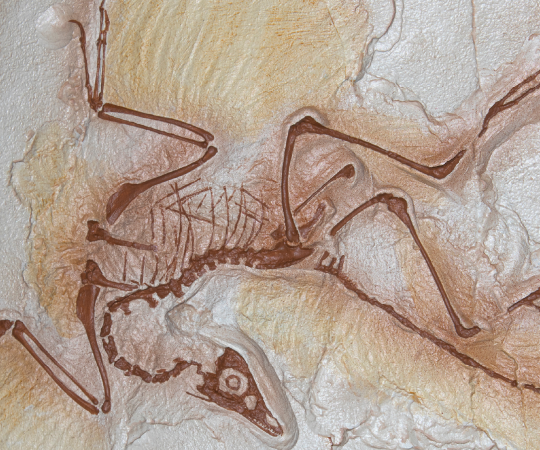
Learning to Fly

How fossils helped explain the development of flight as reptiles evolved into birds

June 10th, 2026 June 10th, 2026

Tear Sheet

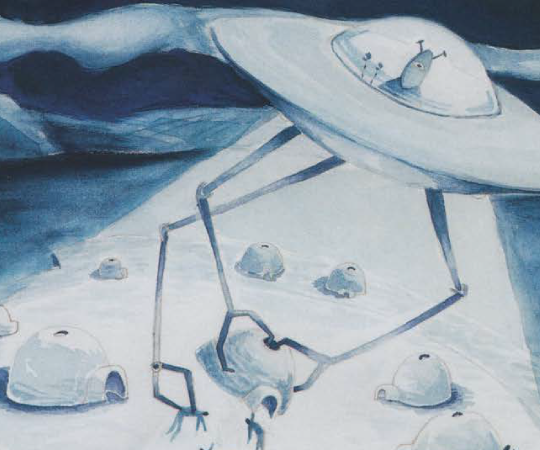
Illustration by Catherine Holmes

Roswell North

A story spreading on the Internet like a meteor shower says 2000 Inuit disappeared after a mysterious light passed over their village in 1930. Is the truth out there?

June 10th, 2026 June 10th, 2026

UP HERE - MAY/JUNE 2026

Photos by Rhiannon Russell

It’s Up Here’s Annual Education Special

Arviat Gets Its Campus, Kids Get Their Lunch and Grown-ups Get Outdoors

June 10th, 2026 June 10th, 2026

Tear Sheet

Photo by Wayne Lynch

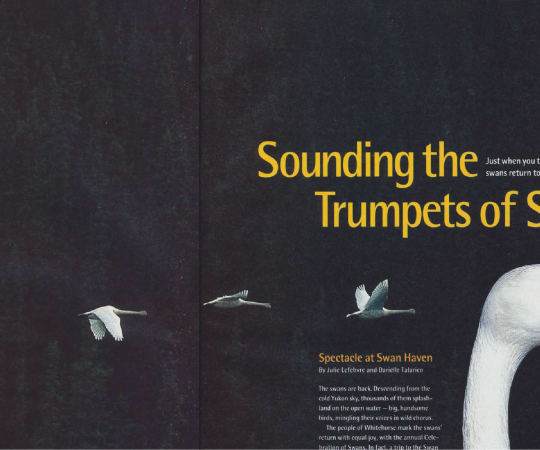
Sounding the Trumpets of Spring

Just when you think winter will never end, the swans return to M'Clintock bay

June 10th, 2026 June 10th, 2026

Tear Sheet

Photo by Paul Nickle

Breaking the Ice

International Polar Year breathes life into Arctic science 

June 10th, 2026 June 10th, 2026

UP HERE - JAN/FEB 2026

Photos by Page Burt; Sam Kapolak

The Danger of Small Changes

She’s hot. He’s still cold. Global warming is upending the sex lives of arctic ground squirrels. That’s bad news for food chains

June 10th, 2026 June 10th, 2026
Newsletter sign-up promo image.

Stay in Touch.

Our weekly newsletter brings all the best circumpolar stories right to your inbox.

Up Here magazine cover

Subscribe Now

Our magazine showcases award-winning writing and spectacular northern photos.

Subscribe

Footer Navigation

  • Advertise With Us
  • Write for Us
  • Privacy Policy
  • Disclaimers & Legal

Contact Information

Up Here Publishing
P.O Box 1343
Yellowknife, NT
X1A 2N9  Canada
Email: info@uphere.ca

Social Links

Facebook Instagram
Funded by the Government of Canada