Donna McCann is not a frou-frou girl. “This is it,” she says, gesturing to her jeans, navy hoodie and steel-toed boots. “I don’t want to sit at a desk. I want to be out doing stuff.” She points to the skid steer with a Hawkins Cheezie from the bag she’s snacking on while she waits for her turn in the machine. “And this stuff is awesome.”
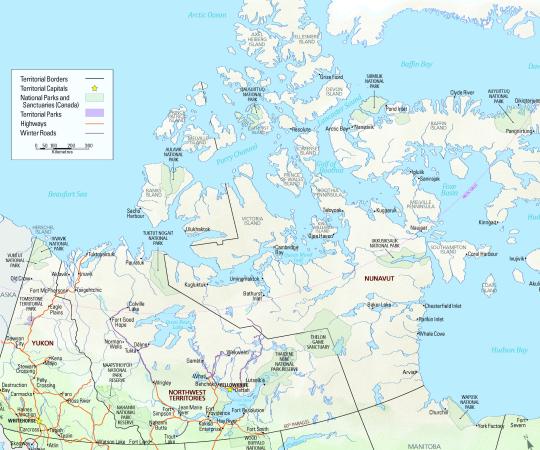
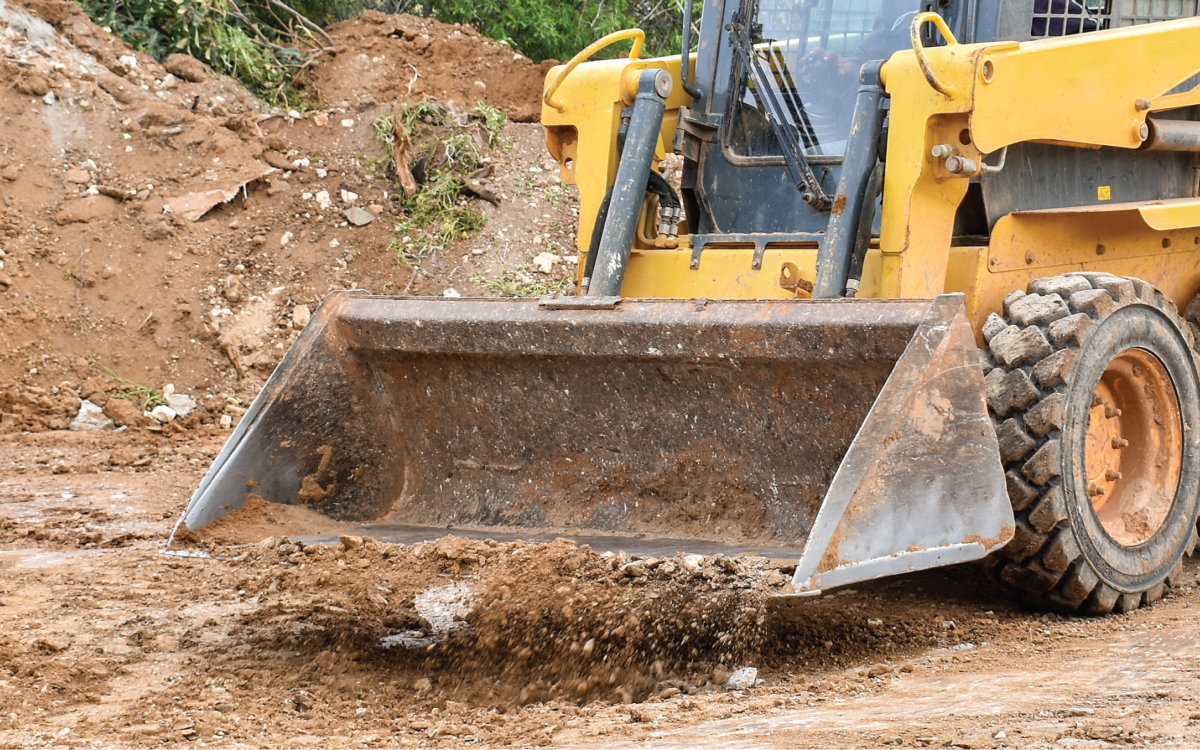
McCann is one of a dozen women signed up for the sold-out, ladies-only skid steer program run by Northern Safety Network Yukon in Whitehorse. The next day, 12 more women will complete the course with instructor Angela Drainville. It consists of a morning of theory (health and safety regulations and operational best practices, including checking for blind corners and overhead impediments), followed by an afternoon of actually operating the skid steer, an enclosed four-wheeled vehicle with arms used to excavate, dig and load. Explaining what it’s like to be inside the cage of one, Drainville says, “You know those movies where there’s a robot and there’s a person sitting inside of the robot and now they can fight the enemy because they’re big and strong?”
After operating skid steers for years, she became a certified trainer around 2018. One of the reasons she likes the machine is that it levels the ground between operators. A 50-kilogram driver is just as good as a 90-kilogram one, so you don’t need to beef up at the gym for this job. Drainville also likes its versatility. You can use a skid steer for heavy construction or to clear snow from your driveway. At least one participant is here for the latter reason—you can easily rent a skid steer in town, but the rental place doesn’t give you lessons.
In an outdoor lot behind an equipment rental shop near the airport, Drainville demonstrates how to do a skid steer walk-around. She looks for cracks in the welds, leaks around the hydraulics and frayed electrical wires. As she does, she fields questions: What do you do if there’s a bird nesting in the gravel you’re loading? (Bank swallows are protected in the territory, so this is a valid concern.) McCann, who has driven construction-zone pilot cars, managed operations for a fuel company and is now a gravel division controller, says Drainville knows her shit.
From behind McCann comes the seemingly unmistakable click of high heels across a concrete floor. But it’s the strap-on steel toes Corin Noble has over her shoes. Noble, born into a family of electricians and factory workers, moved to the Yukon from Oshawa, Ontario, years ago. She went the academic route, with jobs in museums and education, but she misses working with her body. Now she’s trying to shift careers. She chose the ladies’ training course because the atmosphere seemed comfortable. “When I work with guys, there tends to be a little feel of competition or trying to prove yourself,” she says. “This is cooperation.”
One woman asks a classmate to take a picture of her in the skid steer so she can show her kids. Later, when she swaps the bucket for a pallet fork loader attachment, everyone claps and cheers. It’s empowering, McCann says. It’s nice to be able to do the same thing as men in her workplace. That’s one of the reasons Drainville wants to offer more ladies-only sessions. She was a single woman for a long time and started learning this kind of thing so she could “keep up without a man.” People were surprised when she did, but she doesn’t think they should be. “We’re socialized to think that this is a blue job, not a pink job,” she says. “But they’re all purple jobs.”