
DUMBBELLS WERE LINED UP against the mirror, benches were scattered around the room and fitness machines waited to be used. A firefighter was stretching. When I walked in the gym, he greeted me with a grin and announced that he wanted to beat his time on his last fitness test. As we started the training circuit, his good-natured joking faded. After kettlebell carries, he did weighted squats with his back straight and his toes pressed into the mat. Sweat was already forming on his forehead. Next came overhead presses, medicine ball slams and pushups. Each rep demanded more of him. By the end, his breathing heavy and the sweat dripping, he assured me he would not only beat his own time but also that of his crewmates. I laughed and said, “Let’s do this.”
I’m a certified personal trainer with advanced education in functional nutrition and life coaching and, in 2024, I stepped into the world of wildland firefighting after winning an NWT Fire management division contract. My role combined fitness training, nutritional guidance and mental health coaching to help firefighters prepare their bodies and minds. As I met the crews, it became clear that the work was about far more than training plans.
The firefighters came from many different backgrounds. Some had long histories in fire management, returning year after year to protect the land and nearby communities. Others balanced fire work with winter employment in trades, transportation or other industries common across the North. For many, fitness had always been part of the job. Some biked to work in the summer months. Others trained together in small groups after shifts or followed workout programs during the off-season. Several told me they enjoyed the companionship that comes from training alongside crewmates who understand the demands of the work.
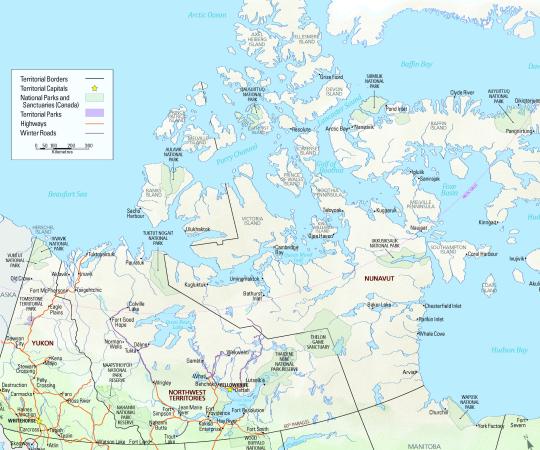
But their access to facilities varied. In northern fire bases, gyms may be fully equipped or improvised: a small room in Fort Smith with a few weights, a stationary
bike in a corner and a bench positioned beside racks of firefighting gear. In some communities, firefighters train at public gyms. In others, they carve out space in a garage, their home or wherever they can. The base gym in Yellowknife doubled as office space. Whatever their resources, they made do because they had something to work toward.
Responding to wildland fires requires both physical endurance and mental resilience. The work involves spending long days hiking through rugged terrain carrying equipment, setting up camp or working in smoky conditions while temperatures climb.
To make sure they’re ready, firefighters must successfully complete the Canadian Physical Performance Exchange Standard for Type 1 Wildland Fire Fighters test each season. Known as the WFX-FIT test, it’s a continuous, timed circuit that simulates the physically demanding tasks of the job.
Firefighters taking the test must carry a pump weighing 28.5 kilograms on their back for 160 metres, walking back and forth over a marked 40-metre course going up and down a 35-degree incline ramp eight times. Next, they need to hand carry the pump 80 metres without the ramp. Then they lift a hose pack weighing 25 kilograms onto their back and carry it one kilometre (25 laps) over the course again, repeatedly climbing up and over the ramp. In the final stage, they drag a weighted sled 80 metres. To meet the national standard and qualify as a Type-1 firefighter, they must complete all four components within 14 minutes and 30 seconds. For the territorial standard and to qualify as a Type-1 territorial firefighter, the required time to beat is 17 minutes and 45 seconds.
Watching people I’d trained take the test, I was struck by their determination to excel at it. I noticed how they adjusted their grip on the hose pack, how their shoulders tensed on the sled drag and how their breathing was controlled during and between each station. I saw the calculation in their eyes and brief moments of defeat followed by quick pivots to keep pushing.
One newcomer joked with his teammates about finishing first. But as he started the test, his grin faded. Shoulders squared, arms pumping, eyes fixed on the course ahead, he moved with quiet determination. He didn’t make eye contact with anyone, as if he were in quiet meditation. By the time he crossed the finish line, sweat dripping down his face and chest heaving, the teasing and laughter commenced. He didn’t finish first, but he met the territorial requirements.
Nutrition is an essential part of fitness. But the cost of groceries, especially fresh food and protein sources, is significantly higher than in southern Canada, resulting in cheaper, less nutritious choices. I taught the crews how to work with what they had, choosing the best options in local stores, planning meals that fuelled long shifts and thinking ahead for training and deployment days. In Inuvik, fresh produce was sparse and prices were shocking for the quality. I coached around this, discussing creative options such as protein in the form of canned fish, eggs and country food. Frozen or canned fruit and veggies replaced fresh. This wasn’t about perfection. It was about making intentional choices that supported their bodies and working with what was available.
After presentations or group discussions, many would stay behind to talk. Something shifted. Firefighters who’d been quiet during the slides approached with questions about nutrition, recovery and how to structure workouts that would help them feel stronger on the fire line. Some spoke about the challenge of sustaining their energy through long seasons. Others spoke about wanting strategies that would help them maintain strength, manage fatigue and recover well enough to keep performing season after season.
One firefighter described how easy it can be to fall out of a routine during the winter months when the pace of work changes. With some structure and regular check-ins, he gradually returned to training and began rebuilding habits that supported both his fitness and his overall well-being. Another told me that having someone available to answer questions about workouts, food or daily routines helped him stay motivated in ways he hadn’t expected. “Everyone knows what’s good for them,” he said. “You helped me actually do it.”
The work I did through this program focused on fitness and nutrition, but it also opened the door to bigger conversations about sustainability not only of fire management systems but of the people who carry out the work each season. The culture of firefighting has long emphasized resilience. Crews depend on one another. They build trust through shared experience and the understanding that everyone must contribute to the safety of the team. That sense of responsibility is evident in how firefighters prepare, how they train and how they support one another when the work becomes difficult.
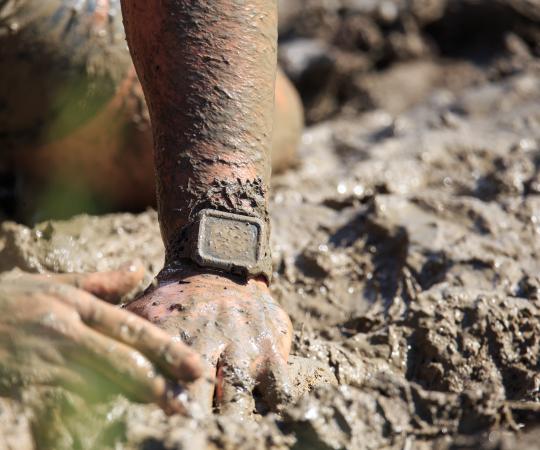
While watching a training drill, I saw crews move through a co-ordinated series of tasks in a sandpit designed to simulate fire-line conditions. The movements were deliberate and practised. They all knew their roles and how they fit into the larger effort. But what stayed with me most were the quieter moments afterward when they sat together, teasing each other and talking about where the first call might come from.
Firefighters are often portrayed through images of dramatic flames and helicopters dropping water on distant hillsides. Those images capture only part of the story. The reality also includes early mornings, long travel days, unpredictable terrain and the steady preparation required to face another season.
I visited many gyms, meeting rooms and training spaces during my contract and what stood out is the people: the firefighters who got up early to train before a shift; the ones who stayed behind to ask thoughtful questions about how to keep their bodies strong enough for the work ahead; and the ones who shared such vivid stories about past seasons. In a place where fire seasons continue to grow longer and more intense, their quiet preparation may be one of the most significant forms of northern resilience.