
Name: Jamie Thomas-Van Bibber
Vocation: Medical student
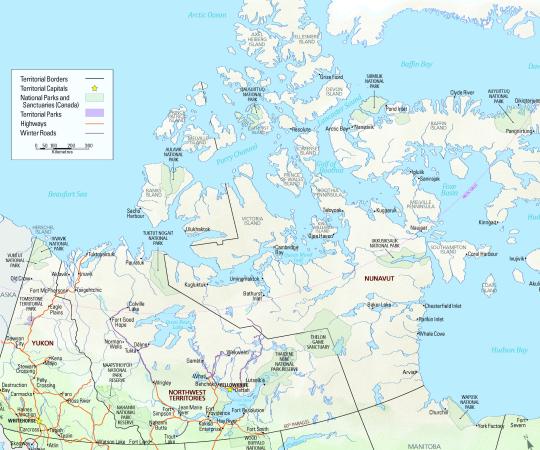
Location: Dawson City
Two years into her studies at Dalhousie University, Jamie Thomas-Van Bibber is on track to be the first Tr’ondëk Hwëch’in citizen to graduate from med school. Her goals are clear: Return to Dawson, work as a family doctor and increase the number of First Nations people employed by her local hospital.
Family history
Thomas-Van Bibber grew up in Dawson’s north end, with her parents and grandparents, and “a million cousins and aunts and uncles around.” As her grandpa got older, she helped take care of him. He called her his “little nurse.”
Pre-med
She and her family often went to Moosehide, downriver from Dawson, to harvest plants for traditional medicines. At 12, she got a job at the Dänojà Zho Cultural Centre, where she learned more about how to use plants. She liked making salves, tinctures, soaps and teas, and she once created a toner, containing rose petals, to help her mom’s rosacea.
Bedside manner
In high school, Thomas-Van Bibber decided to become a doctor. She liked biology and learning about the human body. Knowing some First Nations people in Dawson were wary of the health-care system, she wanted to build trust and thought she could be a safe person for her community.
Intern
After finishing her undergraduate studies—a bachelor of arts and science in health with a major in biomedical sciences and a minor in social determinants and health equity—she returned home. She worked as a First Nations youth intern at the hospital and as the Yukon Strategy for Patient-Oriented Research’s First Nations community research co-ordinator.
Doctor’s notes
She created a pamphlet for locum doctors about Tr’ondëk Hwëch’in culture and history and conducted research for the hospital’s Indigenization efforts, asking residents what would help them feel more comfortable seeking care. She also helped create a new display at the building’s entrance, featuring traditional plant medicines and Elders’ stories.
Heal thyself
Thomas-Van Bibber experienced some imposter syndrome when she first started classes, feeling like she didn’t belong. Heading into her second year, she told herself it would all be OK and to just focus on learning as much as she could.
Prognosis
“Taking a two-eyed-seeing approach—combining Indigenous and western practices—is something that medical schools are starting to recognize more and more, and hospitals are starting to value this and integrate it into their systems and their policies. For me, it just looks like having a hospital that’s culturally safe for everyone. I want our citizens, or my community or my family, to feel safe accessing care at the hospital.”