Scuba Dive
The Arctic is not your regular scuba diver’s hotspot. But if you’re feeling brave enough, bring your flippers next time you’re up in Qikiqtarjuaq. Just above the Arctic Circle, Nunavut’s iceberg capital is also an unofficial capital for clamping your jaw and jumping into icy waters. But hire a local outfitter who will make sure you find a good spot to explore the seabed or even try your hand at digging northern clams. Be quick, though. The salty water can get to below zero and hypothermia is never fun.
Paddleboard
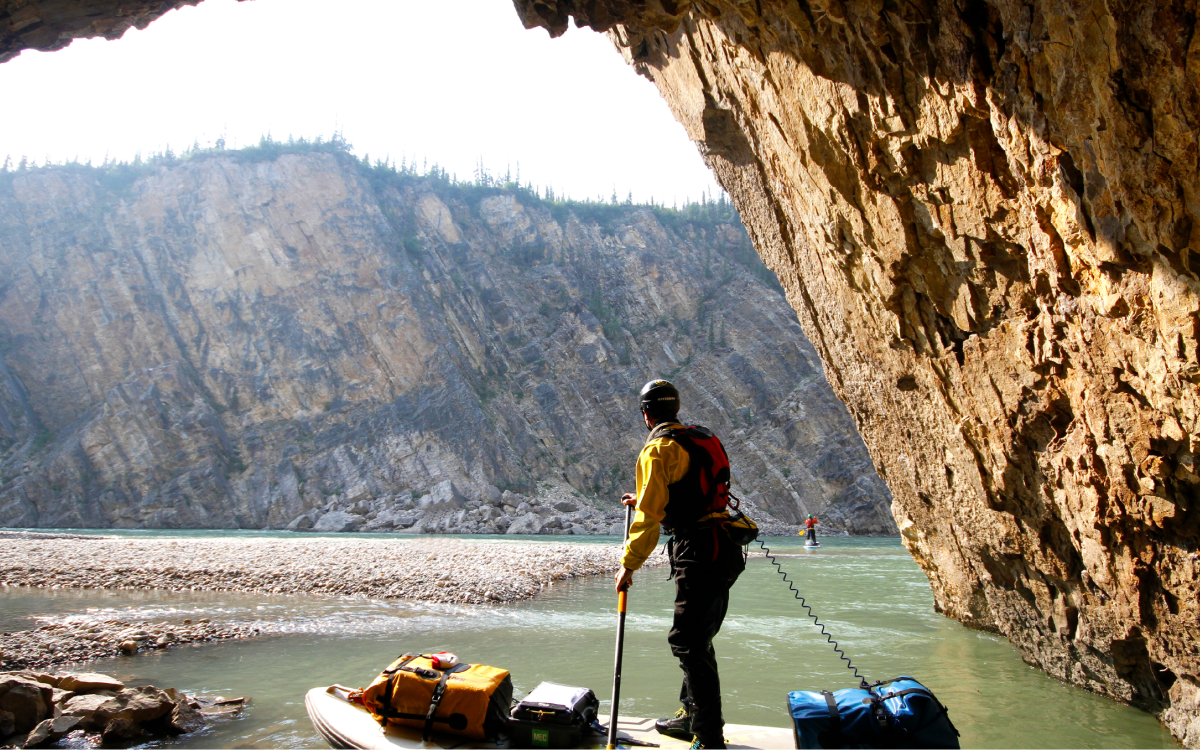
Despite the stunning blue-green water, we don’t recommend Emerald Lake for swimming—it’s a little slimy—but it’s perfect for paddleboarding. The small beach is a great spot to lay down a towel and pump up your board. Emerald Lake is near Carcross on the South Klondike Highway and, while it’s on most Yukon must-see lists, getting down onto the water offers a whole new perspective instead of just admiring it from the highway.
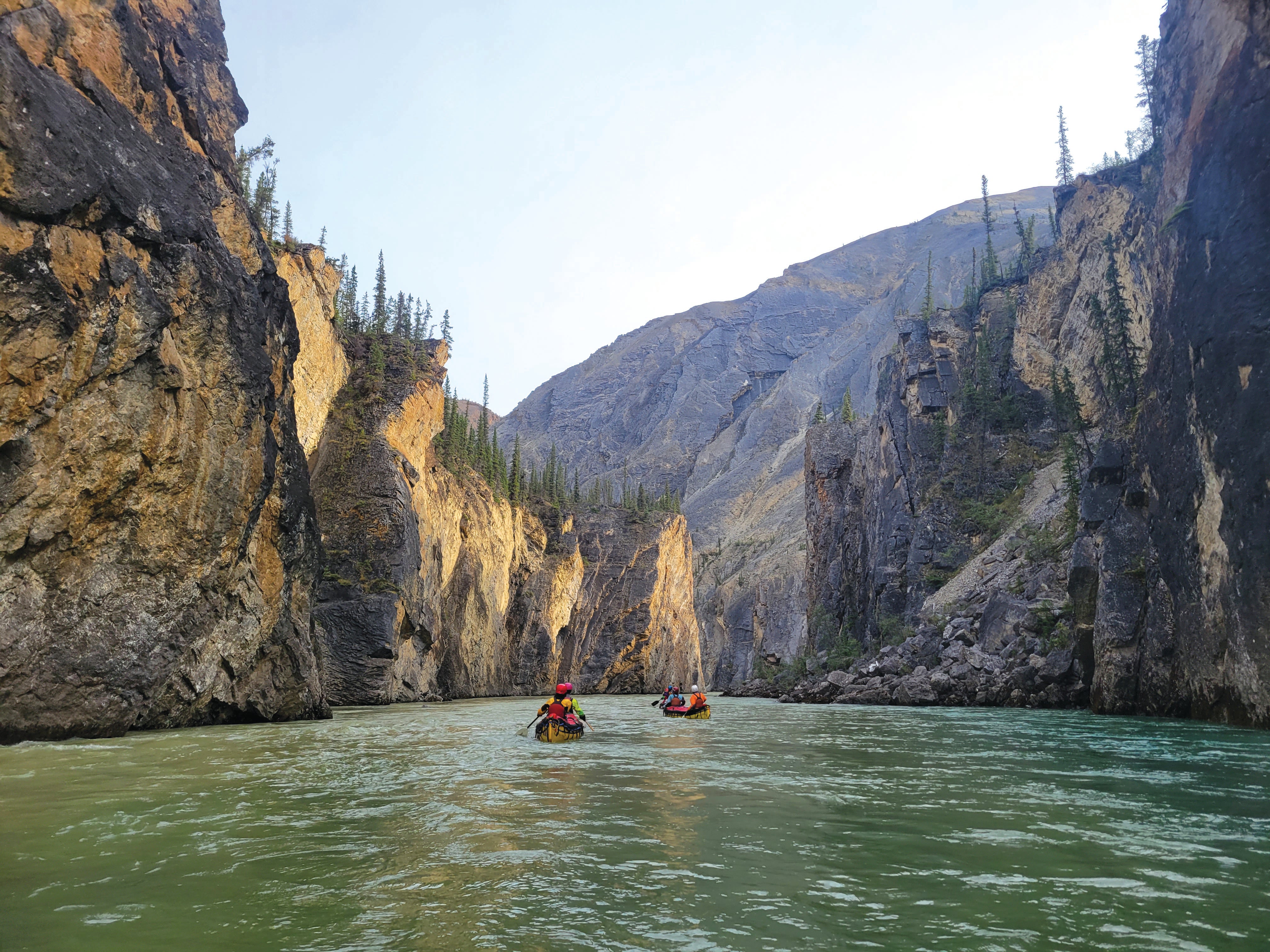 Photo by Black Feather/Zack Pelletier
Canoe
The Nahanni might be the North’s most celebrated destination for canoeists, but for us—and the guides we know—the Mountain River offers a more exquisite and adrenaline-charged paddling adventure. Not for the novice, this remote NWT river features numerous kilometres-long rapids and six sheer-walled canyons. The caribou, Dall sheep, grizzly bears and wolves that make cameos along your way add to the drama.
Kayak
The web of waterways in Thaıdene Nëné National Park Reserve, where boreal forest and tundra meet, offers accessible kayaking with a majestic backdrop. The park is a 15-minute boat ride from Łutsël K’é. Flights
are also available.
Sail
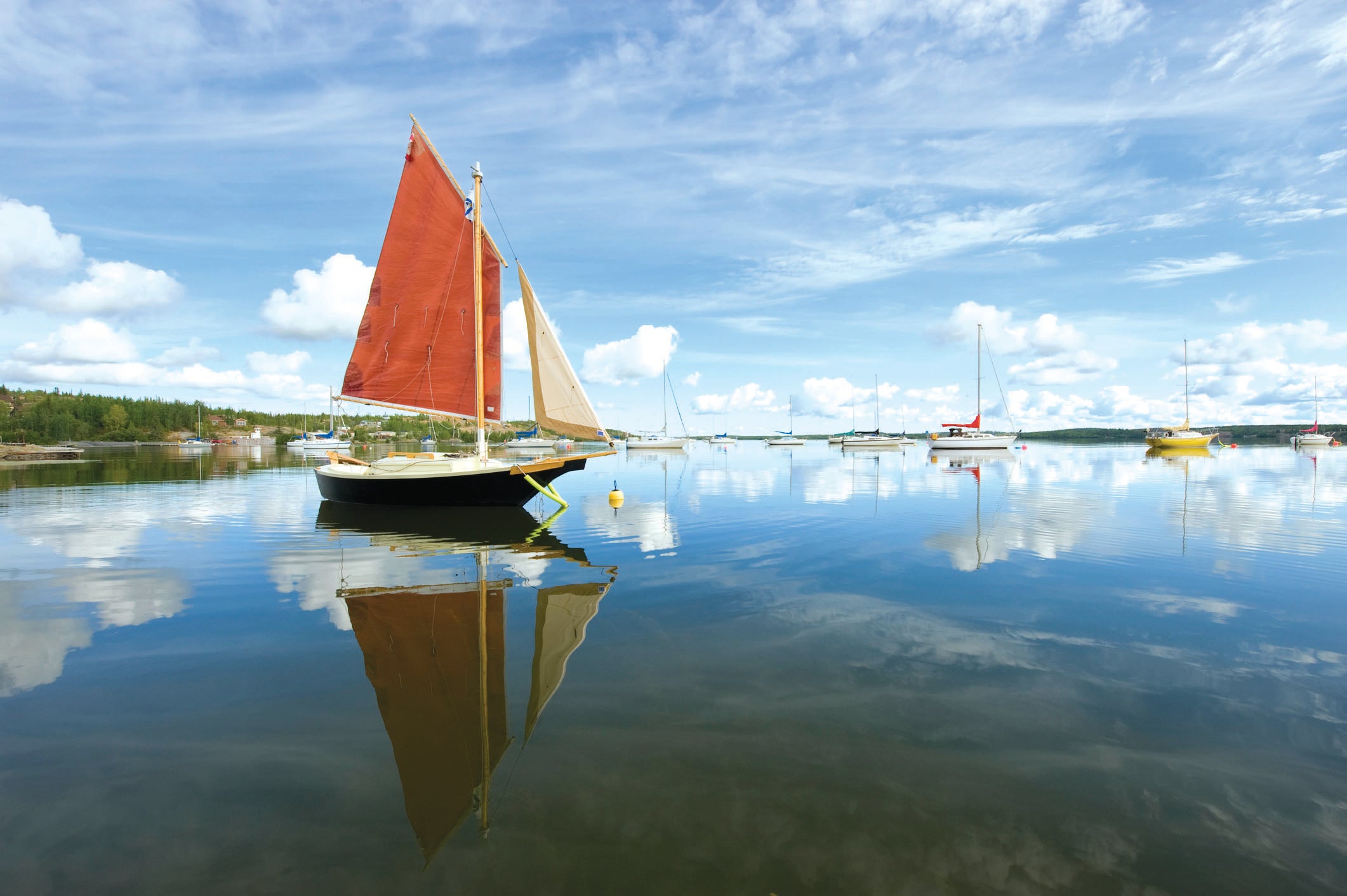
The fifth largest lake in North America, Great Slave is heaven for sailors. Catch regular Wednesday evening and weekend races as well as larger competitions such as the Moose Bay Cup and Snowball Cup, all hosted by the Great Slave Sailing Club. For non-members who want to crew, we suggest talking up that desire while enjoying a pint at Yellowknife’s Black Knight Pub. Odds are good that you’ll be overheard by a hospitable friend of a friend of a boat owner who may invite you aboard. Sailing season runs from June to late September for the sensible, but some skippers keep their rudders wet into October.
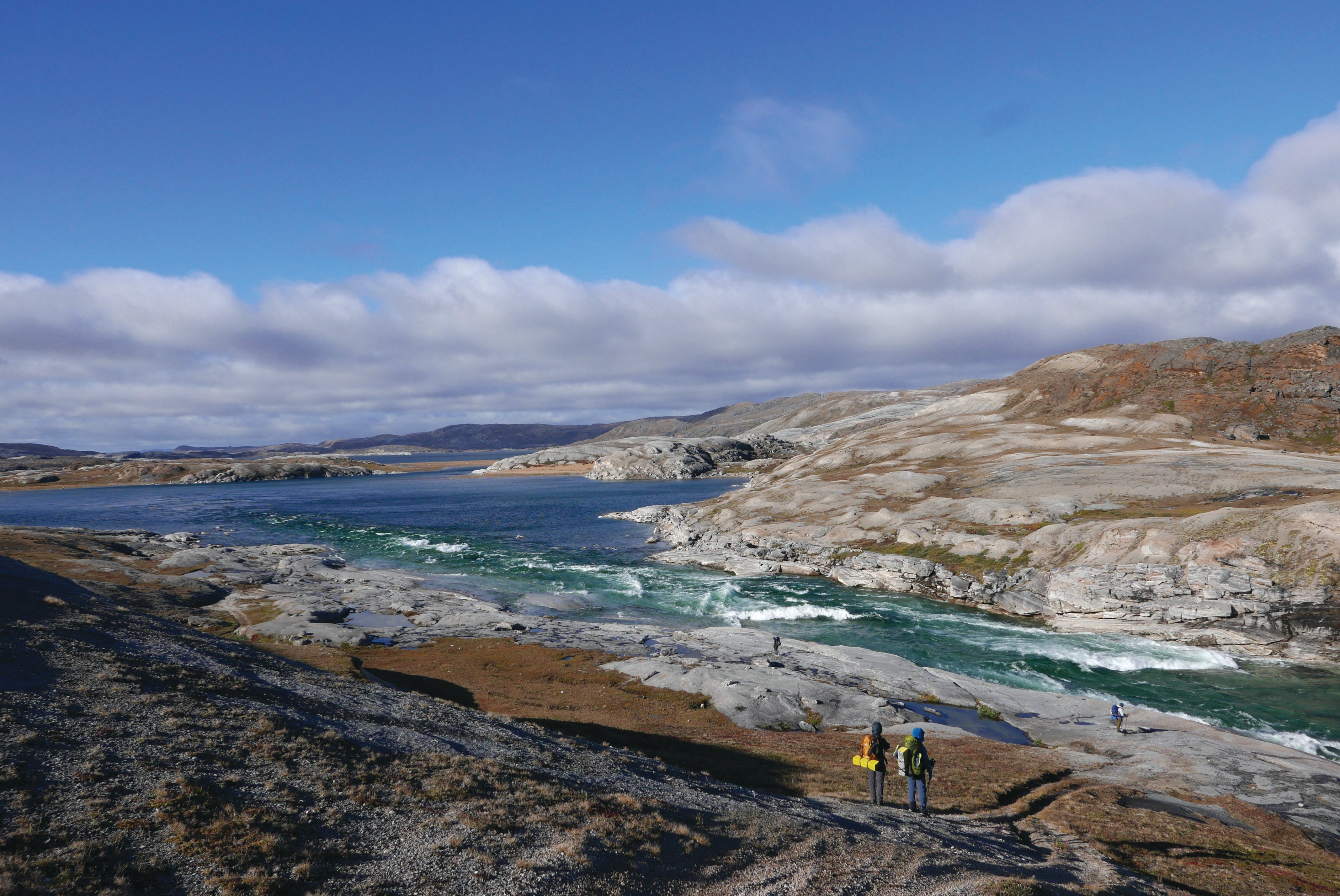
Photo by David Venn
Hike
If you’re in a rush to go from Iqaluit to Kimmirut, the Nunavut capital’s closest neighbour, it’s just a 30-minute flight away. In winter, you can get there in about four hours on a snowmobile. But we recommend you slow down and take a two-week, 120-kilometre walk. The Itijjagiaq Trail is a well-established hiking route with cabins along the way. Go with friends and don’t forget the bear spray––it’s still the Arctic.
Rock Climb
You don’t have to be James Bond to conquer Pangnirtung’s mountaintops, but it would certainly help. The town is shoehorned between some of Baffin Island’s most picturesque peaks, which served as a backdrop for the 1977 Bond movie The Spy Who Loved Me. Among them is Mount Thor, which boasts the world’s largest vertical drop. You can try it out if you have the skills and want to become one of the handful of daredevils who’ve scaled it. Otherwise, we recommend one of the dozens of more approachable climbs in Auyuittuq National Park.
Mountain Bike
Carcross is the Yukon’s best-known mountain biking destination, but Dawson City is catching up. The Klondike has something for everyone: green, blue and black singletrack on the Dome and cross-country riding on the 33-kilometre Ridge Road Heritage Trail, which was built in 1899 by the territorial government as a wagon road to get supplies to mines.
Run
The Dream Trail isn’t just a catchy name. Located on Grey Mountain, overlooking Whitehorse, this is truly the dreamiest trail in the Yukon. You can park in the small lot at the base of the mountain and run up the road to the communications tower where the trail begins (a 28-kilometre round trip for masochists) or have someone drive you to the communications tower so you can start at the top (this route is about 17 kilometres). We recommend using Strava or a similar app because we’ve run this route dozens of times and still need to check directions. Watch for bikes and other runners, which come and go from either direction, and pack water, snacks and warm clothing (it gets cold in the clouds, even in the summer). And when you get to the bench, sit down and take in 360-degree views of downtown Whitehorse, Mount Lorne and Lake Laberge.
Triathlon
Swim, bike and run on the edge of Kluane National Park during the second-annual Pine Lake (Tsí Män in Southern Tutchone) Triathlon. Kick things off with a one-kilometre splash across the lake (you may want to wear a wetsuit), then go on a 23-kilometre ride that’s half on gravel forestry roads and half on paved routes. The final leg is the six-kilometre run from Haines Junction’s main drag along the Trans Canada Trail back to Pine Lake. Afterwards, enjoy the barbecue on the beach.
Disc Golf
Dog sledding and aurora viewing are among the more well-known Yukon draws, but we’re starting our campaign here and now to raise the territory’s profile as a disc golf hotspot. There are more than 20 courses in Whitehorse, Watson Lake, Dawson City, Marsh Lake and Carmacks. Most are free to play, though in communities with avid disc golf scenes, there are weekend tournaments to be aware of. The National Amateur Disc Golf Tournament takes over Mount McIntyre in Whitehorse in July and Crocus Bluffs in Dawson hosts the Golden Grouse in August.
Midnight-sun Golf
The Yellowknife Golf Club convinces us that, in the subarctic, where there’s a will, there’s a fairway. With more than 30 charity tournaments scheduled during the 2026 season, there’s ample opportunity to call ahead and golf 18 holes for a good cause under the midnight sun. Non-members can book tee times three days in advance. If you don’t have time to play a round, we suggest hitting a bucket at the driving range.
Camp
The name—Quiet Lake South Campground—tells you all you need to know about why we love this Yukon spot. It’s a study in relaxation. Sure, there are trails. Yes, you can paddle. But if you’re adventure’d out and you just want to sit among the spruce, roast smokies and stare at beautiful scenery, Quiet Lake’s got you. Its 12 sites are best suited to tents or small campers, though there’s also a boat launch if you’re bringing something bigger. As a bonus,
it gives you an excuse to drive the underrated Canol Road. The rustic and winding route offers views of the Big Salmon mountain range.
Hunt Goose
We might be biased—hit-in-the-face-by-a-flapping-wing kind of biased—but goose hunting is one of the best ways to discover Nunavut’s land in the summer. Most people go on all-terrain vehicles, but if you’re feeling hardcore, go by foot. And try to make friends among park staff; they might show you how to properly pluck a goose afterwards (the trick is to boil it for a few seconds first). Don’t forget to get a hunting permit: It’s just a few clicks, and $17, away on the Government of Canada website.
Volunteer at the Dawson City Music Festival
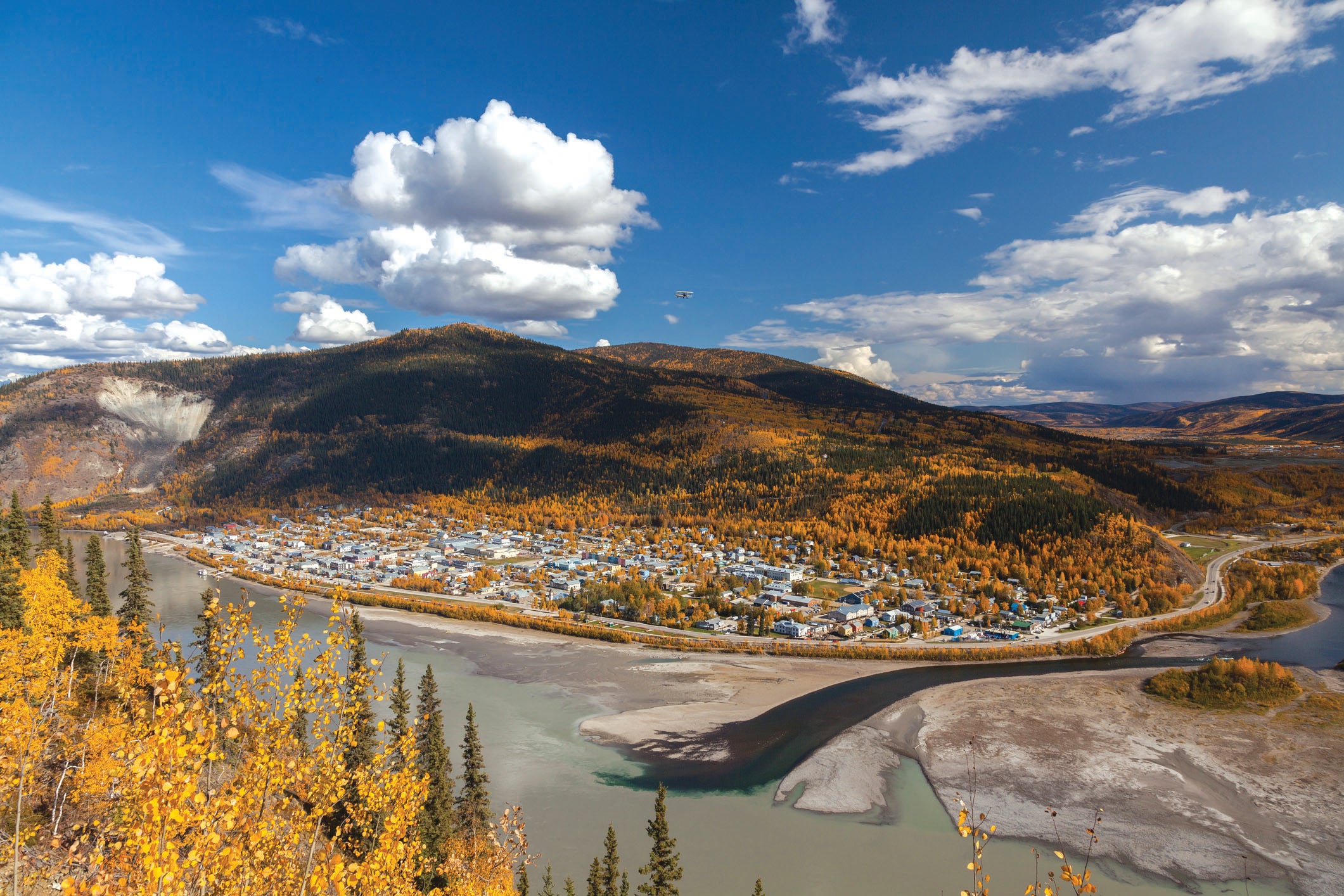
If you want to do more than just stand stageside and watch, volunteer at “Canada’s tiny, perfect festival.” The event is famous among musicians for its hospitality and that treatment extends to volunteers. When we did it, we got VIP passes for the festival that included so much free food and drink, we hardly saw any music—we mostly hung out backstage and chatted with musicians while being served sushi by the kimono-clad mayor of Dawson City, then watched impromptu performances at the all-night wrap party in the woods. It’ll go down as the best weekend of our lives.
Old Town Ramble and Ride
Leave your car and bike or hike through Yellowknife’s historic OG neighbourhood. This free, family-friendly event transforms what is otherwise a cozy, quaint and quiet corner of town into a memorable spectacle. Eat bannock, dance to fiddle music and get colourfully dirty by participating in DIY art workshops on the shore of picturesque, shack-lined and houseboat-dotted Yellowknife Bay on Great Slave Lake.
Great Northern Arts Festival
This Inuvik event is a great opportunity to get covered in soapstone dust and see the origin of Northern First Nations and Inuit art. Watch a carving being made before you buy it direct from the artist. Or try carving your own.
Prison Art
Unconventional, we know. But you can buy some of Iqaluit’s best art in the lobby of the men’s jail, including hand-made ulus (Inuit curved knives) to carvings of dancing polar bears, enchanted owls and cheery-looking walruses. The jail has been running the art program for decades, and inmates are allowed to send most of their profits to their families. There are usually just a few shelves filled with art at any given moment, but you can sometimes find true gems.
Thrift Store
Run by the most cheerful people you’ll ever meet, Piviniit Thrift Store is a combination of a treasure chest and a laundromat. In a good way. You’ll find everything from an old Canadian Armed Forces jacket to a 2008 Team Nunavut toque to a loud toy with quacking ducks climbing up tiny stairs. And be sure to check out the books section; it has one of the best collections of Arctic literature in town, all free for the taking.
Carsnacks
A craving doesn’t exist that can’t be satisfied by the Tatchun Centre General Store aka Carsnacks. If you’re heading to Dawson on the North Klondike Highway, you’ll hit Carmacks about two hours after leaving Whitehorse, right about the time you start to get the munchies. Choose from cookies, mini pizzas, individually packaged pickles, gummies, granola, chocolate and a dizzying array of chips and baked goods. Don’t forget to check out the basement, which is inexplicably filled with Tiffany lamps, garden tools, construction equipment and every kitchen monotasker known to humankind.
WORTH WATCHING
Bears
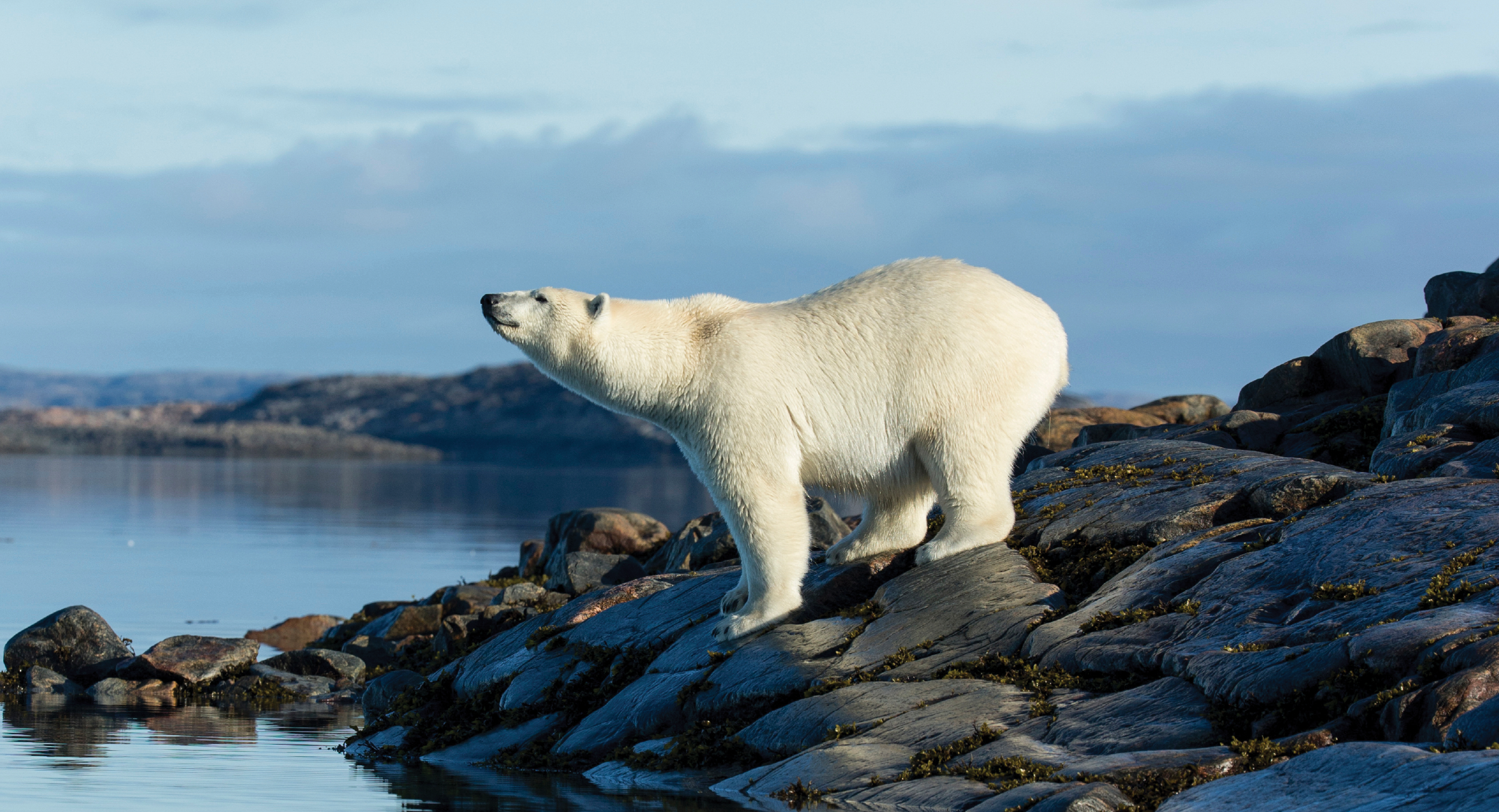
For the bear curious, Arviat is a good place to test your nerves because it’s the polar bear capital of Nunavut. Dozens of the ursine creatures routinely visit the Kivalliq community to snack on its landfill, so if seeing these animals is on your Arctic to-do list, your chances are about as high as they get. Just make sure you have a gun—and someone who knows how to use it.
Birds
Our feathered friends are generally more approachable than bears. So, if you’re a bird fan like us, gear up with binoculars and a notepad to watch some swamp sparrows, western tanagers and rose-breasted grosbeaks at the Yukon’s Albert Creek Bird Observatory. Just 15 kilometres west of Watson Lake, it’s sure to become one of the crown jewels of your birdwatching career.
Planes
Vintage De Havillands landing on water near Yellowknife’s Old Town is an awesome sight, but if you love planes, we recommend going to Paulatuk. The arrival of aircraft to the fly-in community feels special—almost a small celebration—because it means that the local Northern store will get a new batch of fresh fruit or a 24-pack of pop, that a family will finally reunite after an elderly parent went down for medical care or that a mother, who gave birth in the south, is bringing her newborn home for the first time.
Taco in a Bag
A delicacy you’ll find across the NWT, we first tried a taco in a bag—crushed Doritos topped with ground meat, cheese, lettuce and sour cream—at the Midway Lake festival near Fort McPherson. Pairs well with fiddle music and the midnight sun.
Berry Picking
If you ever find yourself kneeling in the Kugluktuk moss looking for cranberries, don’t forget to do the occasional bear scan of the surroundings. Kugluktuk is Nunavut’s westernmost town close to the tree line—a perfect spot for run-ins with grizzlies. But the tiny red berries on the bog cranberry bushes are worth it. We recommend hitting the tundra early in the berry-picking season (late August or early September). There’ll still be plenty of cranberries and blueberries, and if you go on the hills just south of town, you’ll get the best view of Coppermine River and the Kugluktuk “Prairies,” which is what locals sometimes call the tundra bursting with fall colours like the fields in old westerns. It’s a view worthy of a cowboy movie.
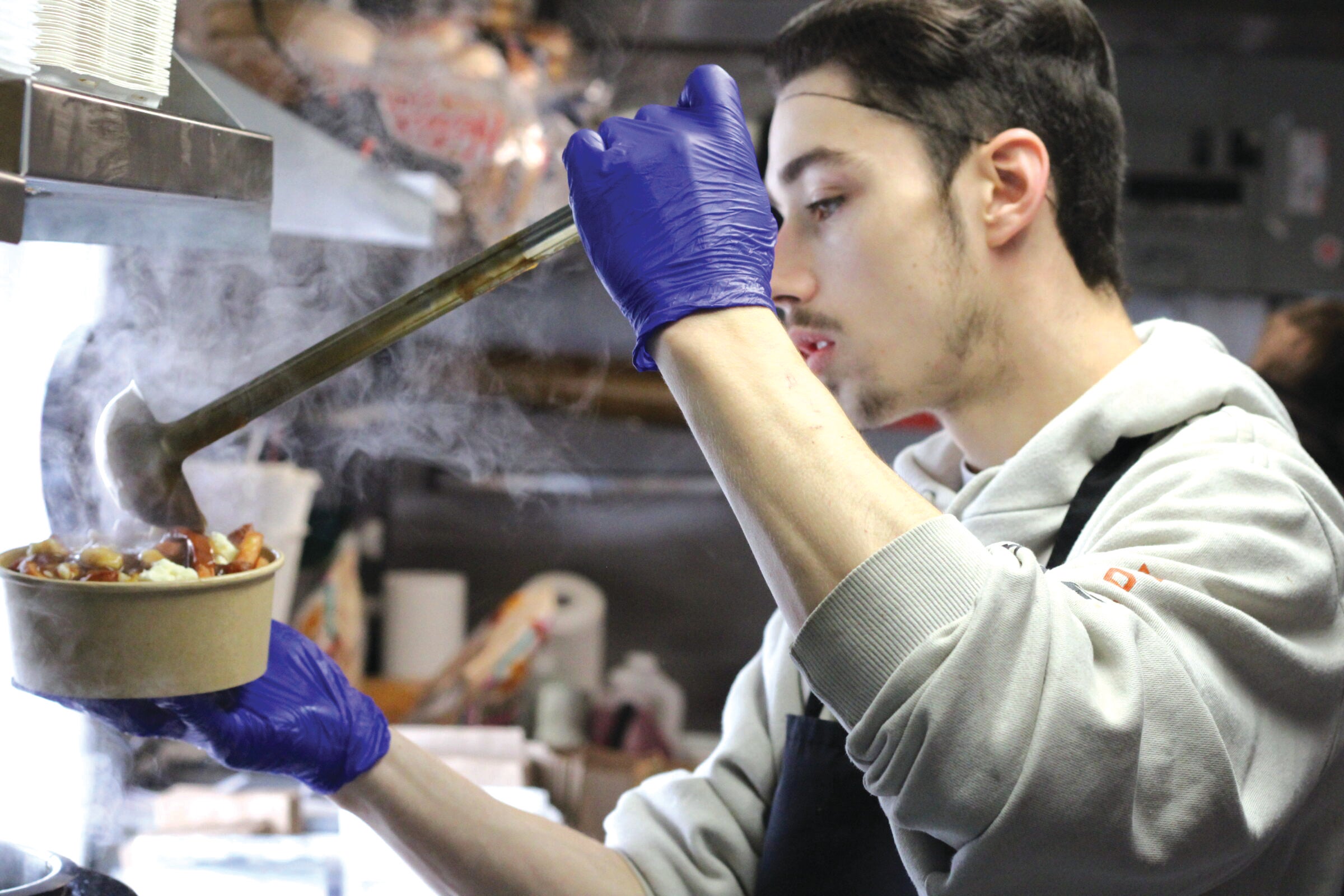 Photo by Arty Sarkisian
Poutine
You might be under the impression that Montreal has Canada’s finest poutine. But every self-respecting Iqaluit resident will tell you you’re wrong. We recommend Iqaluit’s Perreault Food Truck, which is usually parked in front of the Nakasuk elementary school. Look for the long lineup of government workers.
Pluck a Duck
This on-the-land adventure in Dettah is great fun, and you get a delicious reward at the end. Dene guides with B Dene Adventures will teach you how to prepare and cook fresh fish and game harvested at their traditional lakefront camp. Your hosts will also share history and stories. The gentle voices of Elders, the call of the loons and the crackle of the campfire provide a soul-healing soundtrack for an idyllic summer experience.
Beluga Sausages
Summer is the best time for a uniquely Sanikiluaq dish: one or two beluga sausages. Nunavut’s southernmost town is home to this blubbery treat made of intestines and mattak (beluga fat). Our go-to is the smoked sausages because the beluga is slightly creamy inside. But if you prefer your meals chewy, go with the straight-up boiled sausages.
Ice Cream
Best ice cream is a title we don’t bestow lightly—there’s a lot of good ice cream in the North. But our pick is Half Moon, hand-made in Whitehorse and sold out of a little white trailer, often parked at the weekly Fireweed Market in Shipyards Park. Hannah Warrington whips up creamy, thick deliciousness in creative flavours such as Earl Grey, blueberry cheesecake and ginger rhubarb.
Iced Matcha Latte
To the non-coffee-drinkers on our team, nothing says summer like an iced matcha latte from Java Connection, a downtown Whitehorse café tucked between a cannabis shop and a board-game tavern. Sweetened to perfection, this latte pairs well with a walk along the Yukon River or listening to live music at the park across the street.