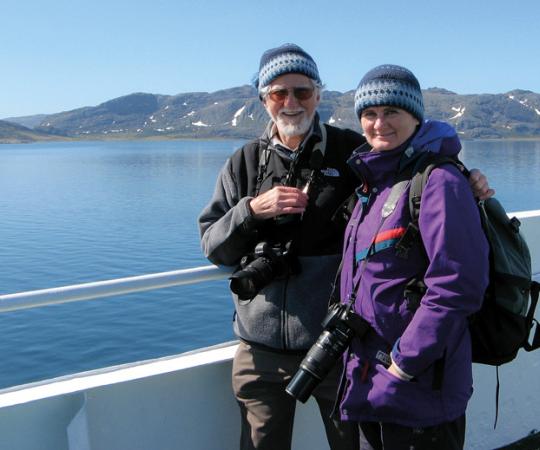
More than 130 later, Abraham Ulrikab's remains may finally return to Labrador
Written by Herb Mathisen
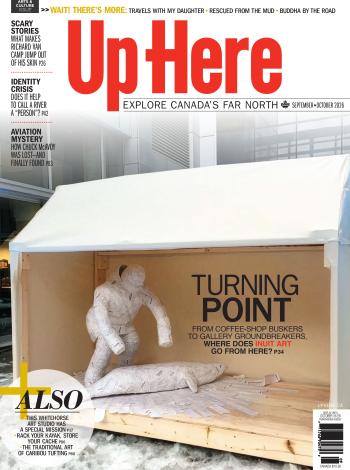
Author France Rivet, right, and Hans-Ludwig Blohm on the fateful 2009 cruise. Photo courtesy of France Rivet
A road runs through the bush in the NWT, and it tells a story of tragedy, hard truths and the circle of life
Written by Katie Weaver
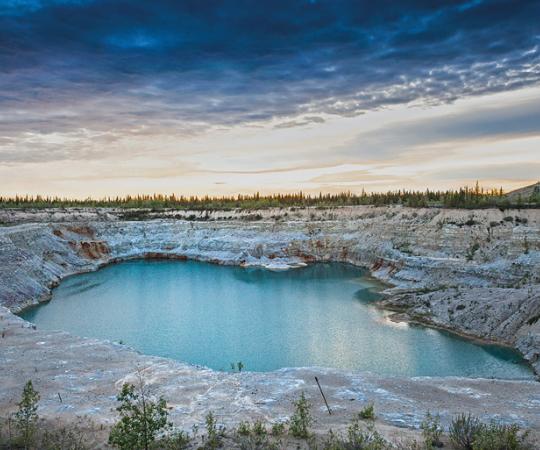
Once an open-pit mine, now a lake. Photo by Hannah Eden/Up Here
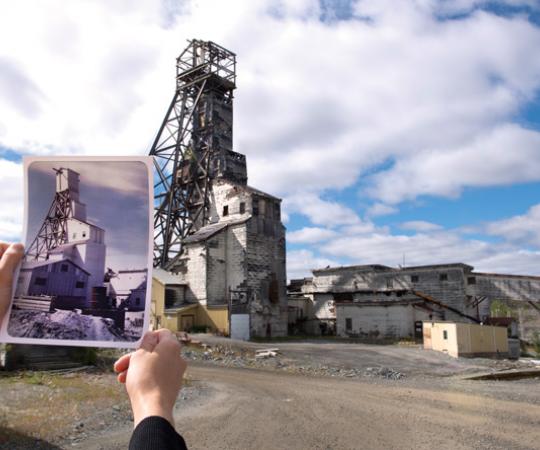
They're toxic and deserted wastelands - but to those who once lived there, the remains of mining communities are worth holding on to.
Written by Ashleigh Gaul
At Yellowknife's Giant Mine, little remains of a once-bustling frontier community. Photo Angela Gzowski
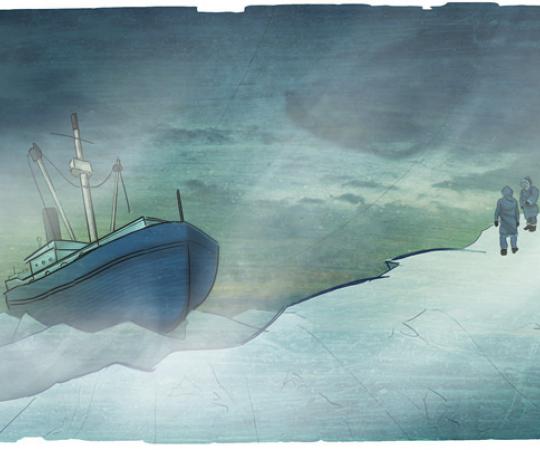
On the Arctic's 'weird and tragic shores,' ships, humans and whole cultures have a way of vanishing, leaving nothing but whispers and haunting questions.
Written by Nathan Vanderklippe
Illustration by Greg Hill
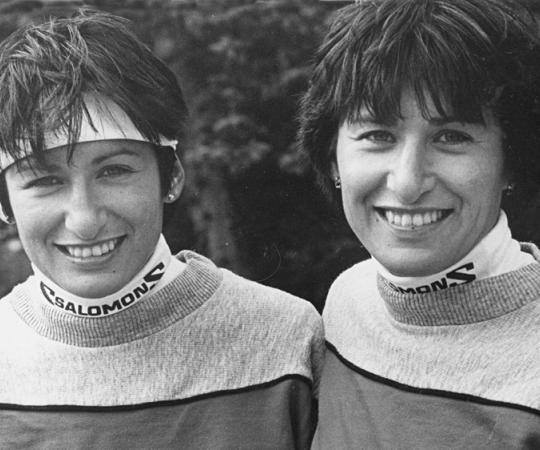
The miracle that came from the Delta
Written by Tim Querengesser
The Firth sisters at the end of their career. Photo by Tessa MacIntosh
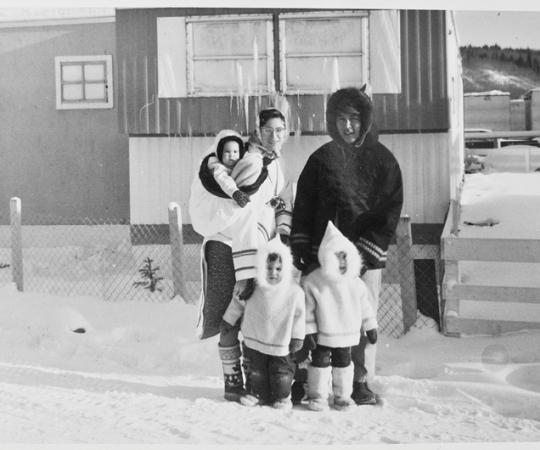
Memories of the sudden, dangerous birth of Hunter Tootoo in 1960s Rankin Inlet
Written by Sally Luttmer
The Tootoos' 1965 Christmas portrait, with baby Victor in the author's amauti, Jennifer, the oldest, in front of her father, and in the middle, a restless Hunter. Photo Courtesy Sally Luttmer
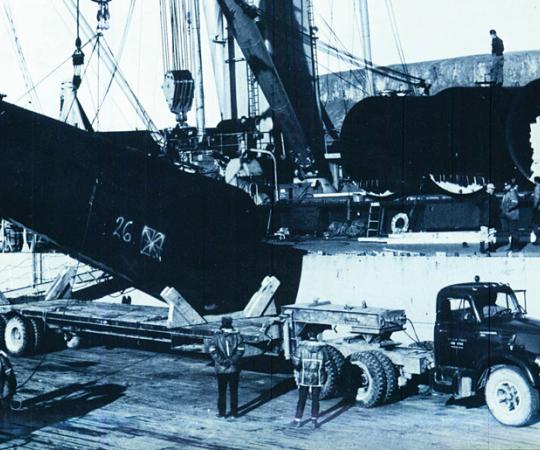
When a top-secret U.S. jet went down near Nunavut, it left a mystery: is there a nuke beneath the ice?
Written by Nathan Vanderklippe
Following a deadly accident involving a bomb-laden B-52, crews at Greenland's Thule Air Base load cylinders of irradiated snow onto a U.S.-bound ship.
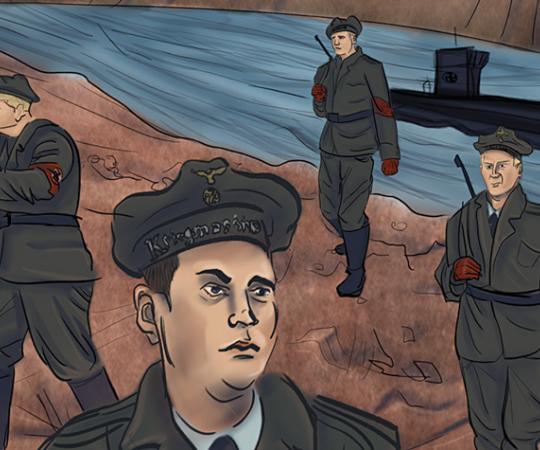
During the Second World War, knowing the weather meant winning the fight. That's why German sailors made a top-secret incursion into Canada's Arctic.
Written by Tim Querengesser
LEBENSRAUM: The first-ever Nazi landing in North America took place after a U-boat surfaced off Labrador’s Arctic coast near the end of the Second World War. The Germans set up a secret weather station that went undetected for 30 years. Artwork by Greg Hill
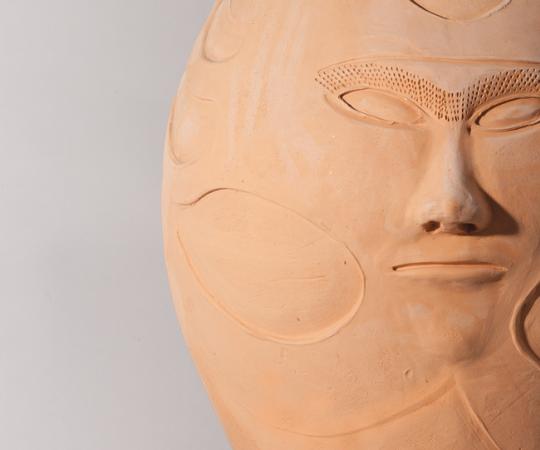
In the early sixties, the federal government brought ceramics to Rankin Inlet to build a traditional arts economy. They didn’t count on the artists actually getting creative.
Written by Samia Madwar
Potential buyers found large vases, like this one by Yvo Samgushak, too big for their homes. Photo: Hannah Eden