AFTER COVID SHUTDOWNS, failed barge resupply, fly-in fuel at $5.50 a litre, forest fire evacuations and dodgy ice roads, the beleaguered oil town of Norman Wells thought its luck couldn’t get worse. And then, in January, Imperial Oil Limited stunned the community with its decision to cease pumping by the fall of 2026. “It’s just been hit after hit after hit for the last five years,” laments the town’s dogged four-term mayor, Frank Pope. “I just bought a small bottle of ginger ale for $7.99. My heating fuel is running over $3 a litre. We ask ourselves: What’s it going to be today… eat or heat? We sure as hell can’t afford to do both.”
But there’s a stubborn streak of loyalty among long-term families and businesses here. After enduring so much, many believe their luck is about to turn.
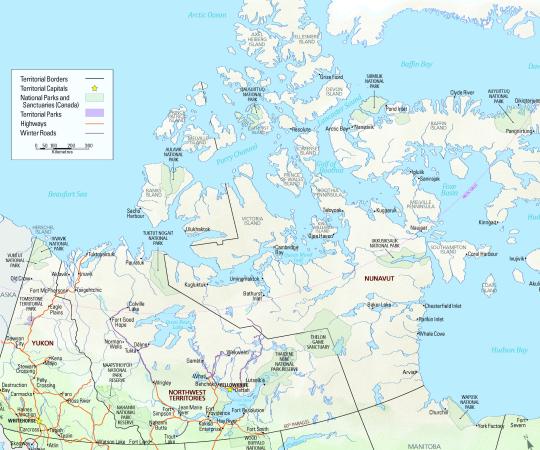
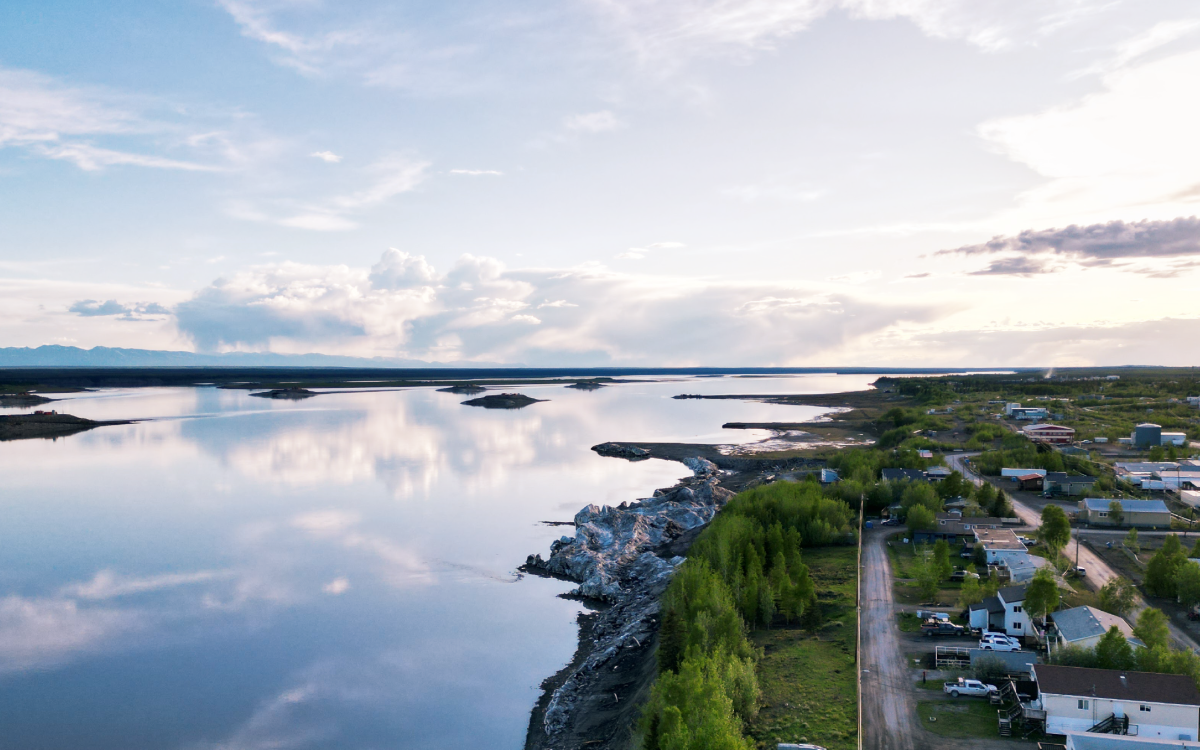
This place has figured large in the NWT’s past and present. After generations of nomadic Dene used the seeping oily sludge to patch canoes, the world’s thirst for petroleum after the First World War spurred Imperial Oil to come here in 1919. Ever since, the community, which hugs the eastern shore of the Mackenzie River about 700 kilometres north of Yellowknife, has boomed and busted with the whims of the energy business.
Imperial Oil stations about 80 employees and contractors and some families in Norman Wells, and the community has matured into a public and private sector hub for all five settlements in the Sahtu region. But the nagging uncertainty of what will happen has been too much for some business owners. Drayton Walker, owner of Ditchers Landscaping and the town’s deputy fire chief, has watched them pack it in and leave.
One prospect for salvation—a multi-year, multi-million-dollar cleanup of abandoned well sites and the sprawling distribution and pumping complex—won’t start before 2030. But for decades, the Sahtu has dreamed of extending the all-weather Mackenzie Valley Highway 300 kilometres north from Wrigley through Tulita to Norman Wells. And, in March, Prime Minister Mark Carney showed up in Yellowknife to announce construction would begin this summer.
The surprise commitment brought the dream closer to reality. “A couple weeks before that, the mood was pretty tense, panicky,” says Walker, a Norman Wells resident since boyhood who’s now raising his own family here. “Hope is restored; everyone’s a lot happier. We’re past the point of giving up; we’ve already stuck out the hard parts.”
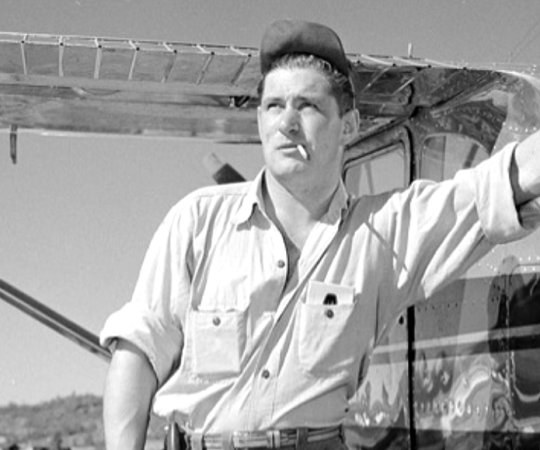
Susan Wright praises the gritty hangers-on for their stubborn loyalty. Her family operates the regional carrier North-Wright Airways with Indigenous Sahtu community partners, and she credits the promise of the road project as “a crazy coincidence and saving grace that has given people a sense of excitement and assurance.” Despite the uncertainty, she adds, “it’s a great place to live and the North always takes care of you.”
Norman Wells also challenges itself and its people. Its motto is “Be Bold and Dare Yourself to Be Great.” Pope is seeing evidence that it’s not just a clever spin line. “I’m surprised at how many people are showing a strong upper lip. The town is not dead,” he declares, predicting that the remediation will take Imperial Oil 20 years. “People are saying, OK, there’s gonna be jobs, let’s work together and get people trained for the cleanup and for the Mackenzie Valley Highway.”
A plan is now taking shape for a heavy equipment training centre. “The spirit of the town is still good; in fact, it’s excellent right now,” says Pope. “People who’ve been here for a long time are never gonna give up. This town will survive and, what the hell, it might even improve.”